Smooching by the Book: The Bureaucratic Art of the Modern Screen Kiss
From Spontaneous to Scripted: The Evolution of the Screen Kiss
Gone are the days when a director could just yell "action" and hope for the best. Today, the on-screen kiss is a carefully negotiated treaty between actors, producers, and a relatively new player on set: the intimacy coordinator. Think of them as the air traffic controllers of affection, ensuring that every touch, caress, and smooch is cleared for takeoff. And yes, they have a checklist longer than a CVS receipt.
The Consent Contract: More Paperwork Than a Mortgage
Before lips even think about meeting, there's a stack of paperwork that would make a divorce attorney blush. Actors now sign nudity riders and consent forms that detail exactly what will happen, where, and for how long. It's less "let's see where this goes" and more "let's see where this clause goes." And yes, there's a clause for everything—including the temperature of the room, the number of people allowed to witness the magic, and whether the kiss will be "passionate," "tender," or "awkwardly interrupted by a phone call." (That last one is a genre staple.)
Choreography: It's Not Just for Fight Scenes
Intimacy coordinators don't just stand around looking awkward; they actually choreograph the kiss. Using movement charts and rehearsals, they block out every hand placement, head tilt, and breathy sigh. It's like a dance routine, but with more lip balm. The goal? To make it look spontaneous while actually being as predictable as a rom-com's third-act breakup. Spoiler alert: the best kisses are the ones you've rehearsed twenty times. And if you think that kills the mood, imagine doing it in front of a boom operator named Dave.
Closed Sets and Ice Packs: The Aftercare Economy
Forget about the glamour—closed sets are the new normal. Only essential crew members are allowed, and everyone signs NDAs thicker than a Stephen King novel. And after the kiss? There's an aftercare protocol that involves ice packs (for swollen lips), robes (for modesty), and possibly a therapist on speed dial. Because nothing says romance like a bag of frozen peas. Some productions even have a "cool-down" area where actors can decompress and remind themselves that they're not actually dating.
The Union Factor: Why This Is a Job Now
Thanks to SAG-AFTRA and the growing recognition of intimacy coordinators as essential crew members, the role has become increasingly professionalized. Many coordinators are now union members themselves, with rates, residuals, and the right to say "no" to anything that feels off. It's a far cry from the days when actors were told to "just go with it." And while some old-school directors grumble about the extra layer of bureaucracy, most actors welcome the safety net. After all, nobody wants to be the next cautionary tale in a Hollywood memoir.
What Audiences See vs. What Actually Happens
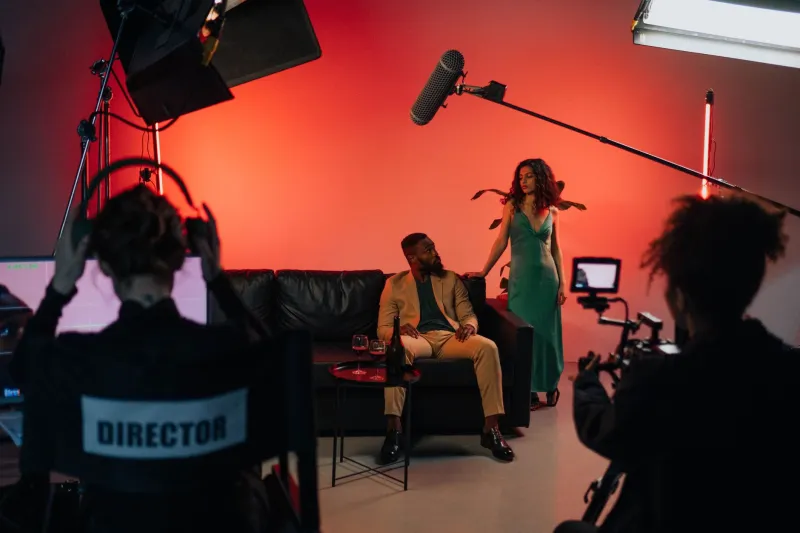
On screen: two beautiful people lock eyes, the music swells, and they fall into each other's arms. Off screen: two professionals who just met five minutes ago are trying to figure out the optimal angle for their noses. The intimacy coordinator calls out, "Okay, on three, tilt left, breathe, and… action!" It's less "chemistry" and more "geometry." But hey, that's showbiz. And if you've ever wondered why so many movie kisses look like two people trying to eat each other's faces, now you know: it's because they're following a diagram.
The Bottom Line: Chemistry Is Manufactured
The next time you swoon over a steamy scene, remember: it took a village, a lawyer, and a very patient coordinator to make it happen. And while the result may look like pure passion, the process is anything but. But that's the magic of Hollywood—turning paperwork into a pucker. So the next time you see a kiss on screen, give a little nod to the unsung hero behind the scenes: the intimacy coordinator, armed with a clipboard and a dream.