Cut, Stored, Sold: The Quiet Profits Hiding in Hollywood's Deleted-Scene Vaults
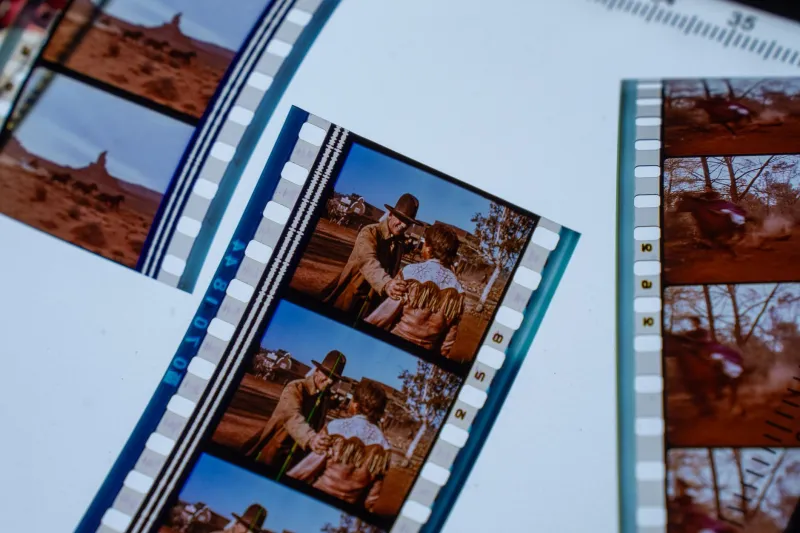
Every movie has a shadow version of itself: the subplot that explained the love interest’s motivation, the alternate ending where the dog lives, the five-minute detour that tested poorly with a mall audience in Ohio. Those scenes are not dead. They are inventory. And like any inventory, someone in Burbank has a spreadsheet about them.
The deleted scene has become a strange little asset class in Hollywood—too small to launch a franchise, too useful to throw away. It can become a DVD extra, a streaming bonus, a anniversary re-release sweetener, or, in rare cases, a whole separate product with its own marketing budget. The footage nobody asked for is often the footage somebody can sell.
The Extra That Isn't Extra
Start with the obvious question: why do deleted scenes exist at all? Because editing is not a gentle process. A director shoots coverage, the editor assembles a cut, and then test screenings, runtime pressure, pacing notes, and the blunt force of studio anxiety rearrange the movie. Scenes get trimmed for rhythm, for rating, for runtime, for the simple fact that a subplot about a neighbor’s parrot tested like a dental appointment.
Once a scene is cut, it enters a kind of corporate witness protection. It gets logged, labeled, and stored—often in a vault or a digital asset management system with a name like “FX_ALT_SCENE_04_APPROVED_BUT_NOT_REALLY.” The studio owns the negative or the file. The actors were paid for the day. The crew was paid for the shoot. The footage is now a company asset, even if it never sees a screen larger than a laptop in a producer’s office.
That is the first money lesson: the cost was already spent. A deleted scene is not a new production expense. It is sunk cost with a ribbon on it. That makes it very attractive to anyone trying to fill a Blu-ray, a streaming tile, or a anniversary edition without greenlighting a new movie.
Follow the Contract, Not the Commentary Track
Here is where the romance dies. Actors are generally paid for their work on the day, not for the number of times a scene appears in a bonus menu. Unless a contract says otherwise—and contracts are written by people who bill by the hour—a performer does not get a fresh check when a deleted scene surfaces on a streamer’s “extras” tab. Residuals for streaming and home video are governed by guild agreements and individual deals, and they are rarely as simple as “one cut scene, one check.”
The director may be consulted. The editor may be asked to assemble a “deleted scenes reel.” The studio’s home entertainment division may decide the footage is worth a featurette. But the underlying ownership usually sits with the studio or production company, not the person who improvised the line that got cut because it made the test audience uncomfortable in a way that was, frankly, correct.
This is why deleted scenes so often arrive with a whiff of contractual obligation. A commentary track might be recorded years later. A director might introduce the footage with a sigh. The actors might not appear at all. The footage is the product; the enthusiasm is optional.
The Vault Is Not a Museum
Studios like to talk about vaults the way restaurants talk about “the back.” It sounds mysterious and important. In practice, a vault is a storage locker with better insurance and worse lighting. Not everything in it is precious. Some footage is locked away because it is unfinished. Some is locked away because the music clearance expired and re-licensing a 1970s needle drop would cost more than the scene is worth. Some is locked away because it contains a spoiler, a legal problem, or a visual effect that was never finished and now looks like a screensaver from 1998.
And some footage stays locked away for reasons that are less about art than about brand management. A deleted scene can contradict a sequel, muddy a character’s backstory, or remind audiences that a franchise once had a completely different ending. Studios are not in the business of handing fans a crowbar. They are in the business of selling the door.
That does not mean the vault is inert. Anniversary re-releases, collector’s editions, and streaming “exclusive” extras are all ways to monetize the same movie again without making a new one. The deleted scene is a convenient unit of novelty: small enough to package, old enough to be cheap, and rare enough to make a completionist open their wallet.
The Anniversary Re-Release: Same Movie, New Invoice
Hollywood loves an anniversary the way a bakery loves a birthday. It is a built-in reason to sell the same cake with a different candle. A tenth-anniversary edition can include deleted scenes, alternate takes, and a director’s introduction that was recorded in a hotel room with a lavalier mic and a lot of throat clearing.
The economics are appealing because the marginal cost is low. The movie already exists. The footage already exists. The marketing hook is nostalgia, which is cheaper than a new franchise. The fan who already owns the movie on Blu-ray may buy it again on 4K. The streamer may pay for a “special edition” window. The deleted scene is not the main event, but it is the thing that makes the main event feel new enough to justify a purchase.
This is the quiet genius of the deleted-scene economy: it turns unfinished business into finished product. The scene was cut because it did not work in the movie. It can still work in the store.
What This Means for the Rest of Us
For viewers, the deleted scene is a peek behind the curtain—sometimes fascinating, sometimes a reminder that the curtain was there for a reason. For the industry, it is a reminder that Hollywood rarely throws anything away. It files it, clears it, packages it, and waits for a slow news week.
The next time you click on a “deleted scenes” tab, remember: you are not just watching footage. You are watching a contract, a clearance log, a storage fee, and a marketing plan in a trench coat. The scene did not make the final cut. But it did make the spreadsheet.