The Town That Played Itself: What Happens When the Catering Trucks Leave
There is a particular sound a small American town makes when a film crew arrives: the thunk of generators, the crackle of a location manager's radio, and the low hum of a mayor quietly calculating how many hotel rooms a Netflix production might book in October.
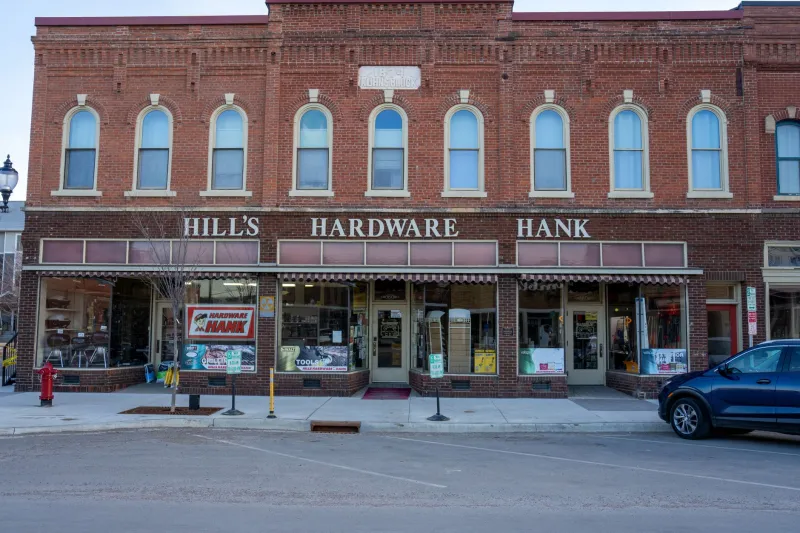
For a few weeks, Main Street becomes a set. The hardware store gets a new sign. The bank gets a coat of paint in a color no one in town voted for. A retiree named Dale is told to walk past the same mailbox forty times while a stranger in a headset whispers "background, background" into a walkie-talkie. Everyone is polite. Everyone is paid, sort of. And then, one Tuesday, the trucks are gone.
What's left is the subject of this article: the strange, occasionally expensive, frequently hilarious afterlife of a location shoot.
The Rent-a-Town Economy
On paper, the deal is beautiful. A production pays location fees — often a few thousand dollars a day for a storefront, less for a lawn — and hires locals as background extras at rates that feel like a lottery win compared to a shift at the diner. The town gets a mention in the credits. The chamber of commerce gets a press release. Somebody's cousin swears the film will be "the next Friday Night Lights," which is a sentence people in Georgia and New Mexico have learned to hear with a straight face.
The reality is more of a bar tab. Location fees are real money, but they're usually paid to a handful of property owners, not the town. Extras get day rates, not careers. The promised tourism bump is often a trickle of fans who take a photo in front of a building that was only pretending to be a diner, then leave without buying anything except a gas station coffee.
And the tax credits? Those are usually state-level incentives designed to lure productions, not municipal windfalls. A town can host a shoot and still watch its own infrastructure budget get squeezed, because the production's economic footprint is narrower than the press release suggests. Catering trucks bring their own food. Crews stay in the next county where the hotel rates are lower. The hardware store sells a lot of paint, then sells nothing for a month while the street is closed.
The Facade Problem
Here is the thing nobody puts in the location scout's binder: fake storefronts are heavy. Productions build temporary facades over real buildings, sometimes drilling into brick that has been there since the Truman administration. When the crew leaves, the facade comes down, and what's underneath is a wall with holes in it and a landlord who suddenly has opinions about who pays for the masonry.
There's also the matter of the "film-friendly" signage. Towns that court productions often install special permits, change parking rules, and tolerate noise ordinances being bent for weeks. Locals who spent six weeks as extras — and yes, they will tell you about the time they were almost in a scene with a guy who was almost in a scene with a famous person — go back to running the hardware store. The store is fine. The street is fine. But the town has been, briefly, a character, and characters don't always leave the set in the same condition they arrived.
One location manager I spoke to described the ideal town as "a place with a wide sidewalk, a cooperative police chief, and no strong feelings about its own architecture." That is not a compliment. It is a business model.
The Civic Hangover
The morning after a shoot wraps, there's often a cleanup crew, a final invoice, and a mayor who has to explain to the town council why the tourism brochure now features a building that was only a set for six weeks. Sometimes the production leaves behind a small grant for a local charity or a scholarship. Sometimes it leaves behind a broken curb and a story about the time a stunt driver almost hit the church van.
The promises tend to outlive the production. "We were told there'd be a premiere here," one city council member in a Georgia town told me. "There was a premiere. It was in Los Angeles. We got a poster."
That's not to say location shoots are a scam. They can be a genuine boost for a motel, a caterer, a rental company. They can put a few thousand dollars in the pocket of a family that needed it. But the pitch — tourism, prestige, a permanent glow — is a different product from the one delivered. The town gets a cameo. Hollywood gets the tax credit. And the hardware store gets a story about the time it was a movie theater for three days.
What the Town Owes the Set
Maybe the healthiest way to think about it is this: a location shoot is a short-term lease on reality. The town rents out its face. The production pays for the privilege, then leaves. The buildings go back to being buildings. The locals go back to being locals. The only thing that lingers is the memory of a catering truck that served better food than the diner and the suspicion that the tourism bump is still, somehow, just around the corner.
So the next time you see a small town in a movie and think, "Wow, that looks like a nice place to visit," remember: it probably is. It's also a place where someone had to repaint the bank, and where Dale is still walking past that mailbox, waiting for his close-up.