Who Really Shot That Car Chase? Meet Hollywood's Ghost Directors
Here's a fun party trick the next time you're at a gathering of film buffs: ask everyone who directed the truck chase in The Dark Knight. Someone will confidently say Christopher Nolan. Someone else will smugly say 'actually, it was—' and then trail off, because they don't know either. Nobody does. That's the point.
Welcome to the strangest open secret in Hollywood: a staggering amount of what you see on screen — every explosion, every crowd scene, every sweeping establishing shot of a city at golden hour — was filmed by a person whose name you've never heard and whose face you'd never recognize if they handed you popcorn at an AMC.
The Two-Director Secret Hiding in Plain Sight
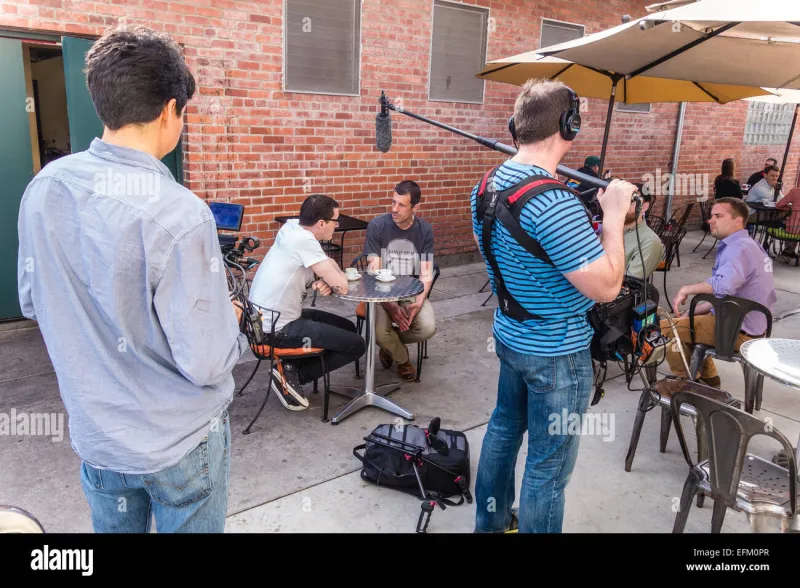
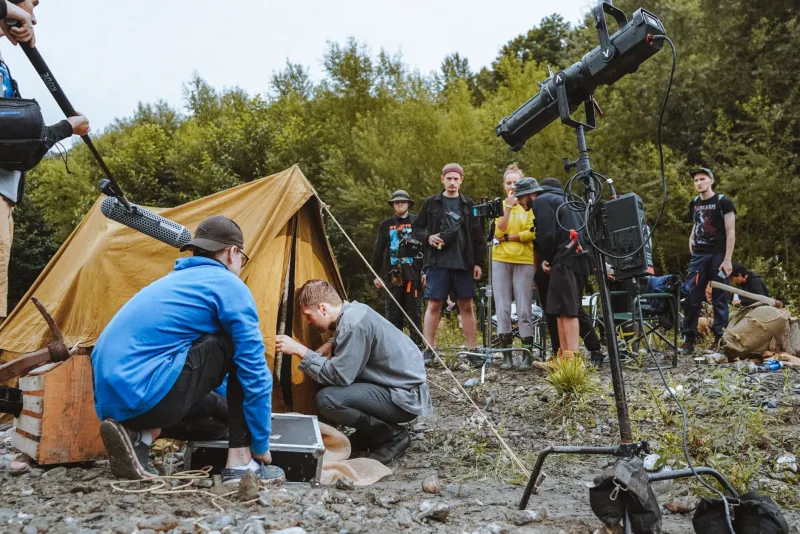
The system is called the second unit, and it's been operating since roughly the dawn of talking pictures. The idea is simple: making a movie is slow, and a famous director can only be in one place at a time. So while the A-list director is spending six hours shooting a two-minute dialogue scene between two people sitting in a diner, a second crew is across town filming the extras swarming a stadium, the helicopter shots over the freeway, and the stunt where a guy gets hit by a taxi.
The second unit director doesn't just point a camera, either. On big productions, they're essentially directing an entire parallel movie. They cast background performers, block stunts, coordinate with the visual effects team, and make creative decisions that end up on screen forever. And then the main director — the one whose name is on the poster in 90-point font — watches the footage later and gives it a thumbs up. Or, occasionally, a shrug and a reshoot.
The Credits Game Nobody Wins
Here's where it gets spicy. Directors Guild of America rules technically prohibit a director from sharing credit with anyone else. One movie, one name. So the second unit director, no matter how much they contributed, gets a small line in the end crawl — often buried below the key grip's dog — or, in some cases, nothing at all.
Which means some of the most iconic sequences in American cinema are effectively orphaned. The famous chariot race in Ben-Hur? Largely the work of second unit legend Andrew Marton, who never became a household name despite choreographing one of the greatest action scenes ever filmed. The aerial dogfights in Top Gun? A whole team of specialists. The hallway fight in The Matrix? Talk to the fight choreographers and the second unit team, not just the Wachowskis.
Studios like it this way, and honestly, so do the famous directors. The mythology of the singular genius — the one visionary behind every frame — sells tickets, wins awards, and commands $25 million paychecks. Admitting that a movie is really a relay race would complicate the brand.
The Unsung Heroes Who Became Famous Anyway
The delicious irony is that the second unit chair has quietly functioned as Hollywood's best director training program. Brian De Palma, George Miller, and David Lean all logged time running second units before their names got top billing. Guy Hamilton ran second unit on The African Queen decades before he directed James Bond. The gig is a proving ground: if you can keep a 300-person crew on schedule shooting a car crash without the star present, you can probably handle the whole movie.
Some second unit directors became legends within the industry specifically for their ability to deliver spectacle on autopilot. Vic Armstrong, a stuntman-turned-second-unit-virtuoso, doubled Harrison Ford in three Indiana Jones films and has been the go-to guy for everything from Bond to The Walking Dead. Steven Spielberg reportedly trusted him enough that on Indiana Jones and the Temple of Doom, huge chunks of the action were shot without Spielberg anywhere nearby. Fans will argue about auteur theory until the end of time; Vic Armstrong just goes out and crashes another vehicle.
Why Studios Would Rather You Never Asked
There's a practical reason studios don't advertise any of this: credit disputes are expensive. Actors have sued over billing. So have writers, who fought a literal war in the mid-20th century to get on-screen credit at all. Every time the question of 'who really made this?' gets loud, lawyers start circling, and residuals — the royalty payments that keep crew members fed between gigs — get contested.
It also protects the marketing machine. A movie sold as 'from the mind of [Famous Director]' is a cleaner pitch than 'from the mind of Famous Director, plus a rotating crew of specialists, three second unit teams, and an uncredited action choreographer from New Zealand.' Nobody's putting that on a billboard in Times Square.
So Who Deserves the Credit?
The honest answer — the one Tinsel Twine always arrives at eventually — is everybody. Filmmaking is a team sport wearing a trench coat and pretending to be an individual. The famous director usually shapes the movie's soul: the performances, the tone, the edit. The second unit supplies the adrenaline. The stunt coordinators risk their spines for the four seconds of footage you'll rewatch on YouTube.
So the next time you're watching a blockbuster and a helicopter flips over a freeway in a single jaw-dropping shot, spare a thought for the person who arranged it — the one whose name flashed by in six-point type while you were checking your phone. They won't mind. They've been invisible for a hundred years.
But maybe, just maybe, they deserve the poster.