That Gown Isn't a Choice, It's an Invoice: Untangling the Business of Red Carpet Fashion
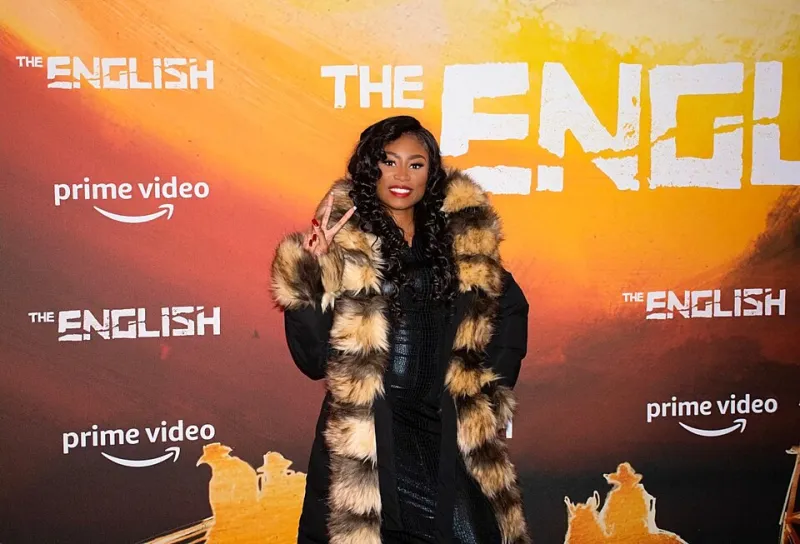
Photo: TamikaWest, CC BY-SA 4.0, via Wikimedia Commons
When an actress steps out of a limousine at the Dolby Theatre and the internet collectively loses its mind over her dress, here's what you're actually looking at: a mobile billboard with excellent posture.
That's not cynicism. That's the business model.
The red carpet has quietly become one of the most valuable advertising real estates on Earth, and the stars wearing the clothes are less 'fashion icons making personal choices' and more 'very glamorous UPS drivers delivering a brand's message to 40 million people.' Let's untangle it.
The Stylist Is a Power Broker, Not a Shopping Buddy
First, retire the image of a celebrity strolling through a boutique, hand on chin, musing about hemlines. The real work happens weeks earlier, in email chains between stylists and brand representatives that read like corporate procurement documents with better vocabulary.
A-list stylists — the ones whose names you'd recognize if we could legally print them — function less like personal shoppers and more like advertising agencies with taste. They maintain relationships with fashion houses, negotiate which looks their clients get access to, and in many cases broker outright payment arrangements. The top earners in this world make seven figures annually, which is more than most studio executives who get quoted in trade publications.
And here's the part nobody says out loud at the awards show after-party: many celebrities are paid to wear specific gowns. Not lent. Paid. A single high-profile placement during awards season can be a five- or six-figure arrangement, with the brand getting guaranteed red carpet exposure, a place in every 'Best Dressed' listicle, and a mention in approximately nine thousand Instagram captions.
Your favorite star's 'bold choice' had a contract attached. Probably notarized.
Borrowed, Not Owned: The Gown Economy
Most red carpet fashion isn't purchased at all — it's borrowed, which leads to one of Hollywood's strangest legal gray zones: the couture loan.
Fashion houses lend gowns worth tens of thousands of dollars (sometimes six figures for true couture) on the understanding that the piece will be worn once, photographed heavily, and returned in pristine condition. These are one-of-a-kind garments. They can't just restock them at the mall.
Which is why the industry is littered with stories of celebrities getting billed — occasionally sued — for returning a gown late, damaged, or, in legendary cases, with a wine stain that required its own incident report. A dress that sat in a hotel suite for three extra days can rack up 'rental' fees that look like a car lease. A torn seam can trigger an invoice resembling a down payment on a house.
The unspoken rule: the moment a dress goes on a famous body, it becomes a corporate asset with a depreciation schedule.
The Math of a Viral Moment
So why do brands play this game? Because the return on investment is absurd.
A single viral fashion moment — think of the internet-breaking looks you can probably picture right now — generates what marketing analysts call 'media value': the equivalent advertising cost of all that earned coverage. A gown that would cost $50,000 to produce can generate tens of millions of dollars in equivalent ad impressions when the right person wears it to the right event.
That's a return no Super Bowl commercial can touch. A Super Bowl spot reaches maybe 115 million people once, for thirty seconds, and they mostly leave to refill the nachos. A red carpet moment lives forever — it gets screenshotted, recirculated, turned into Halloween costumes, and referenced in think pieces like this one. Free advertising, in perpetuity.
Brands know this. Which is why the competition to dress certain stars is genuinely cutthroat, with fashion houses courting the same five actresses the way college coaches recruit five-star quarterbacks.
The Quiet Rules of the Game
The system runs on etiquette that's never written down:
- Exclusivity matters. A star wearing Brand A on the carpet won't be wearing rival Brand B to the after-party, at least not without some awkward phone calls.
- Ambassador deals trump everything. If an actress is the paid face of a fashion house, she's wearing that house. Full stop. The 'choice' was made when the contract was signed, possibly a year earlier.
- Jewelry is a separate negotiation. The loaned necklace gets its own courier, its own insurance, and its own armed escort that costs more than your car payment.
- Newcomers pay dues. Unknown actors often have to beg for loans — brands bet on them early, hoping they'll be famous by the sequel.
So Enjoy the Dress. Just Know What You're Looking At.
None of this makes red carpet fashion less fun. Honestly, it makes it more fun — the carpet isn't a pageant, it's a stock exchange in heels, and once you see the machinery, you can't unsee it.
That showstopping moment everyone's talking about tomorrow morning? It was engineered by stylists, financed by luxury conglomerates, insured by nervous publicists, and delivered on time or somebody's getting an invoice.
The dress found its famous body on purpose. It always does.